
The next step on our journey to build a better person is the system that controls the other systems: the nervous system. The nervous system is the system that detects, processes, and responds to the change through electrical signals. It is connected to all the other systems within the body as it is the fastest in terms of communication speed. Its speed allows it to not only rapidly detect and respond to the environment but also to calculate situations and create and store complicated objects which we call thought and memories (both of which I’ll cover later). Before we get stuck into the brain and that complexity we need to have a basic understanding of nerve cells or neurones, how they work at a simplistic level, and how they connect together to create a nervous system, again at a simple level.
Basic Structure of the Nervous System
Let’s start with the very basics of the nervous system and that is what it does – send messages from one part of the body to another. This can be from an external source banging your toe and then shouting out in pain or it can be sending an internal signal or thought from one part of the brain to another. All of this done both voluntary and more often than you think involuntary.
The Nervous System Workers: Neurons and Glial cells
The way that signals are passed around the body is through specialised cells that have the ability to change their internal charge from negative to positive. These are nerve cells or neurons. Neurons are the signalling cells (they talk to other neurones and other cells) but they can’t do this all by themselves as signalling is very high energy – this is why you are tired after concentrating for a long time and why your muscles fail – the neurones run out of energy. The reason they run out of energy is that neurones can’t do all the signalling and do all the administration of cell life at the same time. It’s like trying to read the news and do the reporting at the same time. To help the neurones there are glial cells. These are the back stage crew, caddies of the nervous system by providing structure, insulation, nutrition and defence in the weird world of the nervous system.
Electrical Signalling – it’s fast
If you have ever shocked yourself either through a static electricity or from a battery or electrical appliance then it hurts. The reason why it hurts is that the electricity passes through you pain neurones in your skin to the spinal cord straight back to your arm muscles to pull your hand away whilst at the same time travelling up to the brain then out to the face muscles causing you to say ‘Ow!’ or some other word of your choosing. This takes a fraction of a second due to the way your nervous system works.
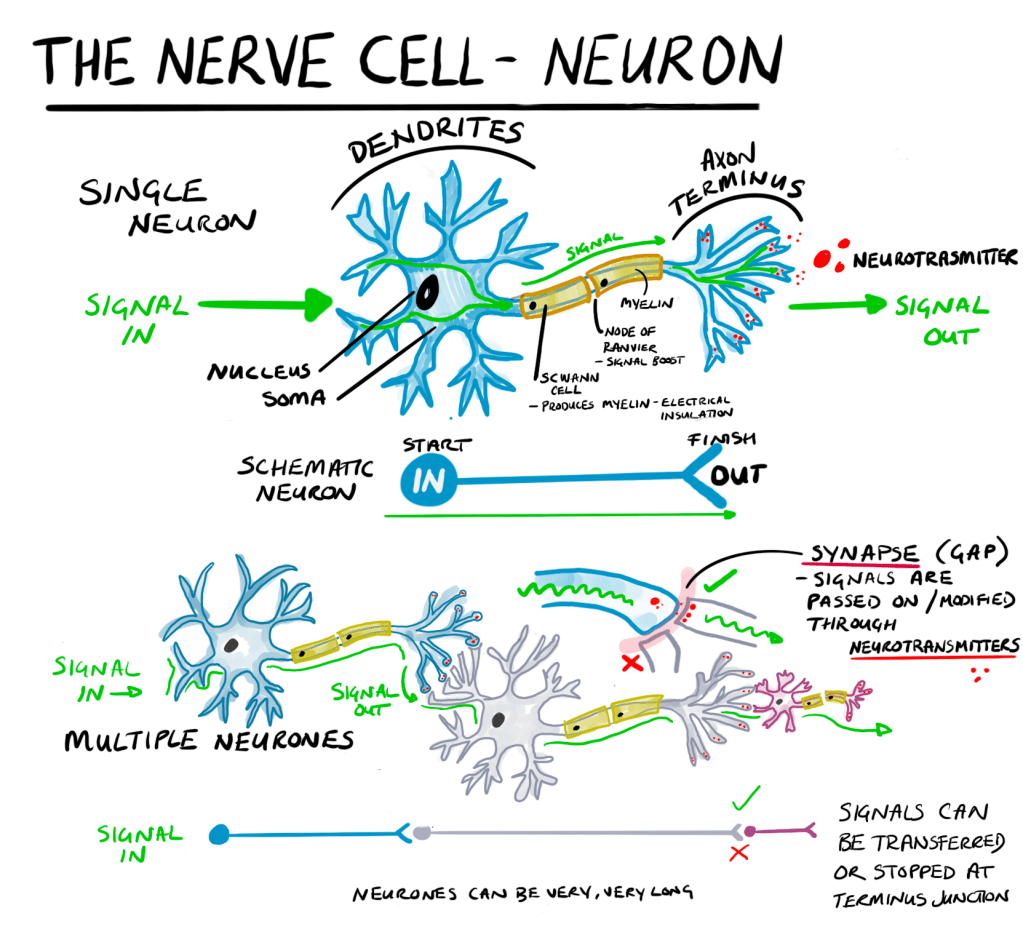

To get a hold on how we can be better leaders we need to understand how we influence and then motivate people to do what we want. There are many ways to do this but the best way is to be able to understand their feelings and desires to then create the right emotional motivations for them to want to do it themselves. This can be something they don’t want to but are willing to trade something for that activity or it can be an internal drive for their self fufillment or a mix of both.
To understand how we are influenced we must start with how we detect and then respond to the whole. We do this through our nervous system.

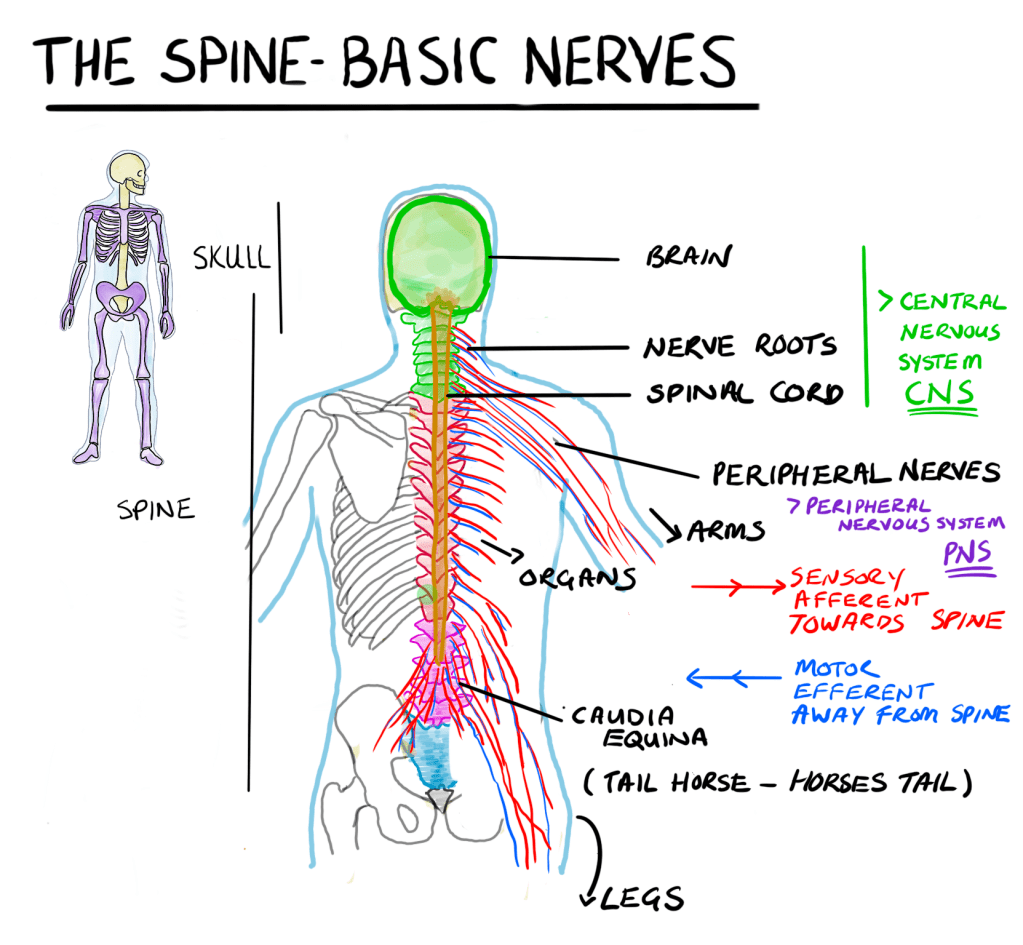
The nervous system is one of the many systems that we have that keeps us alive. A system is one where multiple parts are connected and work together to create a single function like a car has a fuel system and an entertainment system. Like the car we can classify each system and then further divide that system into components or sub-systems. For our detection and response system (the nervous system) we can divide it into two main parts: 1) Central nervous system (CNS) that consists of the brain and the spinal cord, and 2) Peripheral nervous system (PNS) that are all the nerves that connect all the organs of the body and the bodies muscles to the CNS via the spinal cord.
Central Nervous System
Brain and the Spinal Cord
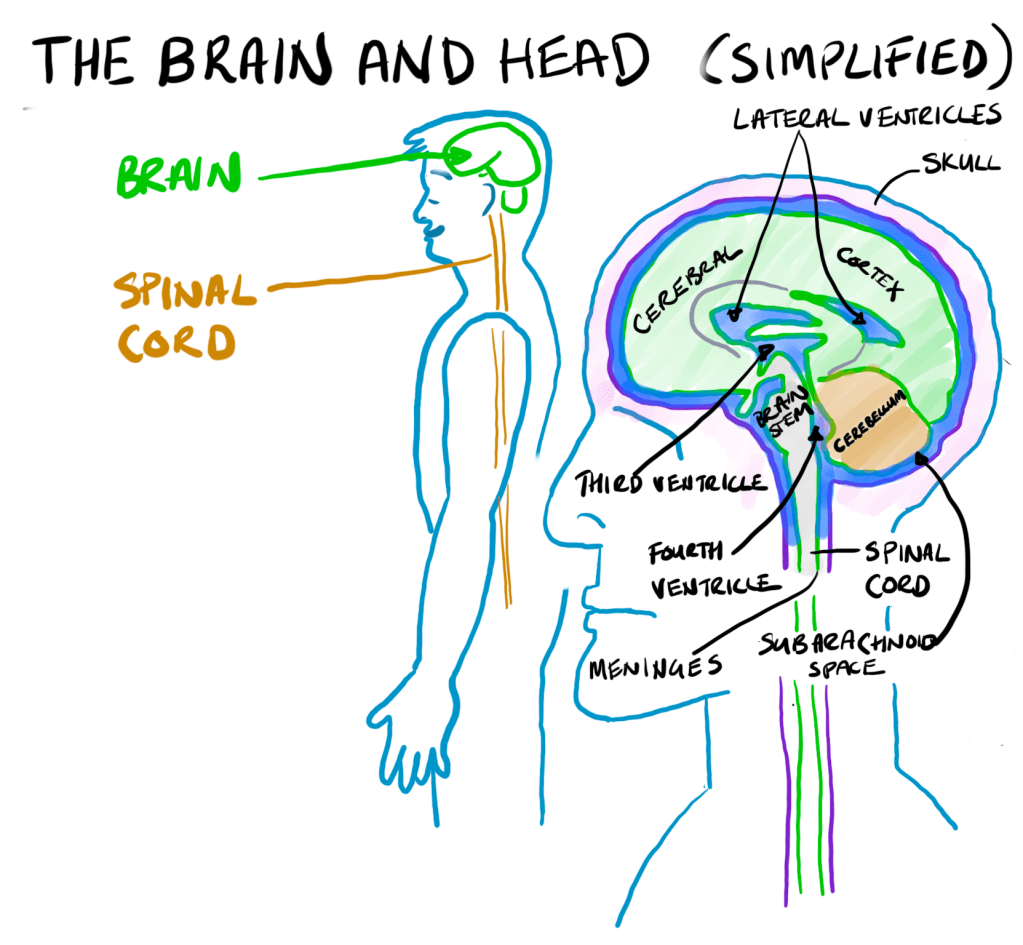
The central nervous system (CNS) can be broken into many parts but the two main ones are the brain situated in the head protected by the skill and the spinal cord and other central nerves protected by the spinal vertenbrae that make up the spinal column.
The division between the central nervous system and the peripheral nervous system (PNS) is the CNS is seen as one unit that does the administration of the body whilst the PNS is all the sensing nerves detecting changes or afferent nerves and motor nerves that react to those changes or efferent nerves. To help remember I used the slightly childish phrase all PNS nerves are the SAME (sensory: afferent, Motor: efferent). If you spend any time in anatomy you’ll come across a lot of rude phrases to help with the memory. It helps that there are lots of words beginning with V.

 Compsortia